


Valeda Therapy for Dry Macular Degeneration

What is Macular Degeneration?
Macular degeneration is a progressive eye condition that affects the macula, the small area at the center of the retina responsible for sharp, detailed central vision. This is the vision we rely on for reading, driving, recognizing faces, and seeing fine detail.
Age-related macular degeneration, or AMD, is one of the leading causes of vision loss in adults over the age of 55.
There are two forms of AMD, dry and wet, and understanding the difference is an important first step in protecting your vision.
Dry Macular Degeneration
Dry AMD is the most common form of the disease, accounting for the vast majority of cases. It develops when the macula gradually thins and small yellow deposits called drusen accumulate beneath the retina. Over time, this can lead to a slow decline in central vision.
Dry AMD typically progresses gradually, which is part of what makes early detection and proactive care so valuable.
Wet Macular Degeneration
Wet AMD is less common but more aggressive. It occurs when abnormal blood vessels grow beneath the retina and leak fluid or blood, causing rapid and sometimes severe vision loss.
Wet AMD is generally treated with medications injected directly into the eye to slow abnormal vessel growth. While dry and wet AMD are different in how they progress, both underscore the importance of regular eye exams and early intervention.
Renewed Hope for Dry AMD
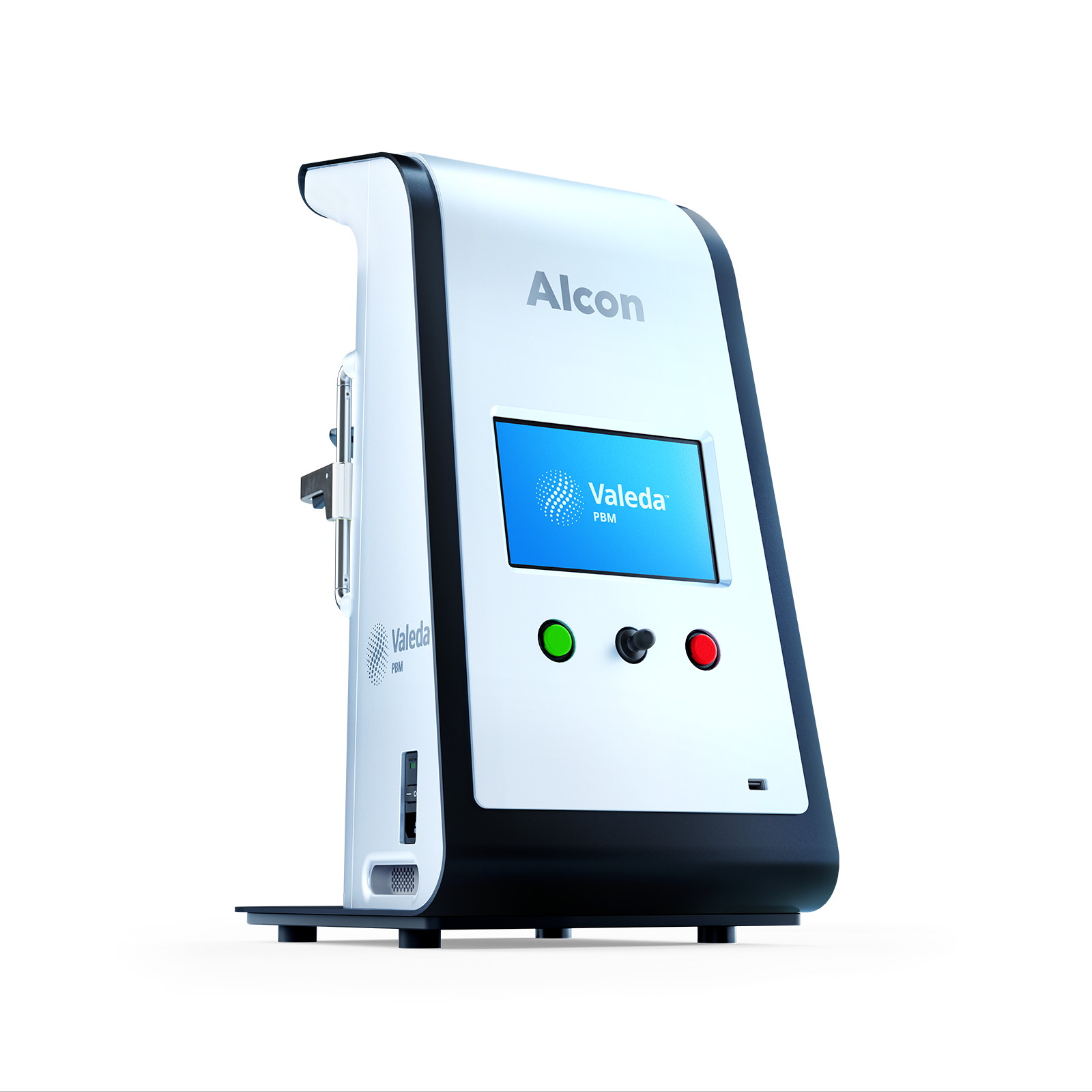
For many years, patients diagnosed with dry AMD were told there was little that could be done beyond monitoring the condition and adjusting lifestyle factors. That has now changed thanks to Valeda.
At OcuSight, we are proud to offer Valeda therapy, a noninvasive, light-based treatment that represents a genuine step forward in caring for patients with dry AMD.
What is Valeda?
Valeda is the first treatment authorized by the FDA specifically to address vision loss associated with dry AMD.
It uses a technology known as photobiomodulation, also called PBM, which applies specific wavelengths of light to support the health of retinal cells. In its pivotal clinical trial, patients treated with Valeda improved visual acuity. Some were even able to gain the equivalent of a line on a standard eye chart over the course of the study, with results maintained over time.
Valeda is not a surgical procedure and does not involve injections. It is administered in the office using a specialized device designed to deliver light therapy directly and comfortably to the eye.
How Does Valeda Work?
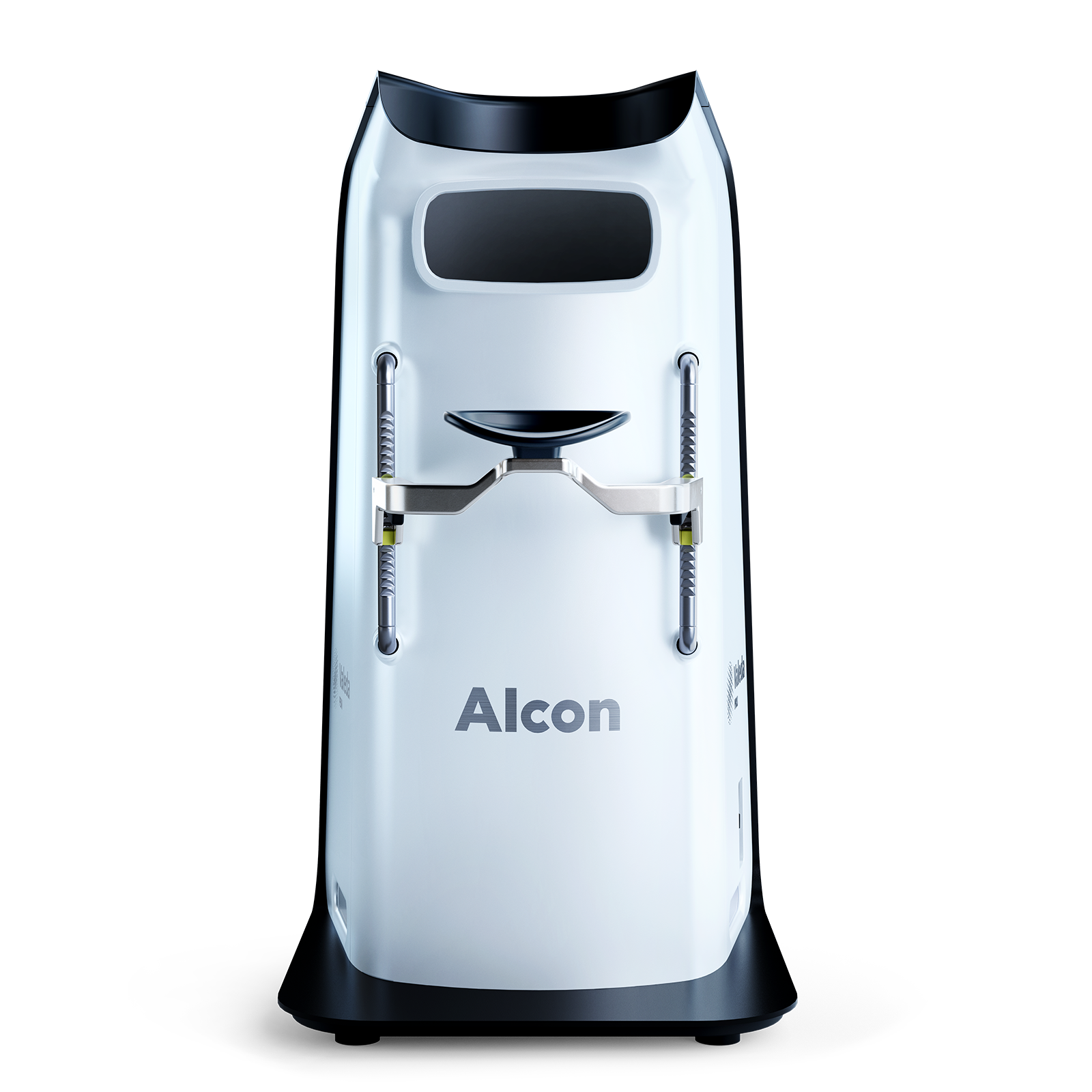
Valeda delivers three distinct wavelengths of light, including yellow, red, and near infrared light, to the retina in a carefully calibrated sequence. These wavelengths are designed to stimulate the mitochondria within retinal cells, the structures responsible for producing cellular energy. By supporting mitochondrial function, Valeda therapy is thought to help improve cellular metabolism, reduce inflammation, and support the overall health of the tissue affected by dry AMD.
Valeda treatment often requires a series of short, in-office visits. Each session builds on the last, and completing the full series is what helps you see the best results.
The goal of Valeda treatment is to address the disease process at a cellular level, rather than simply monitoring its progression. This was previously the only option for dry AMD patients.
Who is a Candidate for Valeda?
Valeda therapy is intended for adults who have been diagnosed with early to intermediate dry AMD.
Because every patient’s eyes and vision history are unique, the best way to determine candidacy is through a comprehensive eye examination with the team at OcuSight. During this evaluation, we will review your retinal health, discuss your vision goals, and determine whether Valeda therapy is an appropriate option for your individual situation.
Patients who are proactive about protecting their vision and want to explore treatment options before significant vision loss occurs are often excellent candidates for this therapy.
What to Expect During Valeda Treatment
Valeda treatment sessions are quick, comfortable, and require no downtime.
During each session, you will sit in front of the Valeda device while light is gently delivered to each eye for a few minutes. There is no pain, no recovery period, and no need for anesthesia or sedation.
Treatment is typically delivered as a series of sessions completed over a set schedule, followed by periodic maintenance sessions to help preserve results.
Our team will walk you through the full treatment plan and answer any questions before you begin, so you know exactly what to expect at every step.
How Many Valeda Treatments Will I Need?
Most patients complete an initial series of sessions scheduled over several weeks, which allows the retina to receive a full and consistent course of light therapy. After this initial series, patients typically return for periodic maintenance sessions to help sustain the benefits achieved during treatment.
Your exact treatment plan will depend on your individual diagnosis and how your eyes respond to therapy, and our team will map out a clear schedule with you from the start.
What Is Recovery Like After Valeda?
One of the advantages of Valeda therapy is that there is no recovery period to plan around. Because the treatment is noninvasive and involves no injections, incisions, or sedation, patients are able to resume normal daily activities immediately after each session. Some patients notice mild, temporary light sensitivity following treatment, but this typically resolves quickly.
Take the Next Step Toward Protecting Your Vision
Dry AMD does not have to mean simply waiting and watching. Valeda therapy offers patients at OcuSight a proactive, noninvasive path forward, backed by clinical research and designed with your long-term vision health in mind.
If you or a loved one have been diagnosed with dry AMD, schedule a consultation with our team to learn more about Valeda therapy and whether it may be right for you.
Clearer vision and a clearer path forward may be closer than you think.
Schedule your Valeda consultation at OcuSight Eye Care Center in Rochester, NY, today.